Zesty Lemon Rolls-Easy Sweet Breakfast Treat
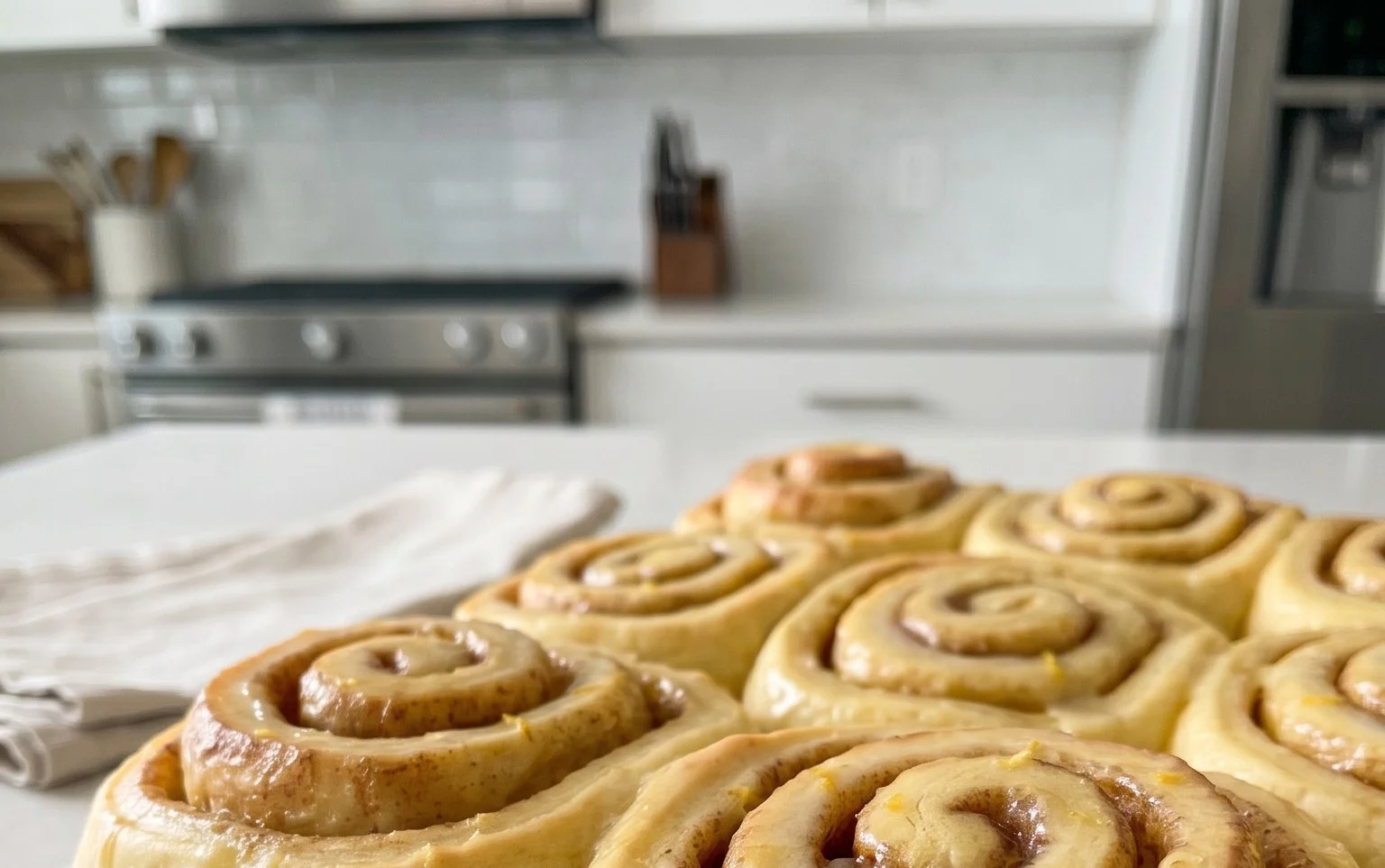
Lemon rolls are the sunshine on a plate that I crave when I need a little brightness in my day. There’s something utterly magical about the way the zesty, tangy lemon filling swirls through soft, pillowy dough, creating a symphony of flavors and textures. These aren’t just any sweet rolls; lemon rolls are a celebration of citrus, a comforting embrace that whispers of lazy mornings and sweet indulgence. People adore them because they strike that perfect balance between sweet and tart, offering a refreshing twist on traditional cinnamon rolls. What truly makes these lemon rolls special is the intense burst of lemon flavor, elevated by a delicate glaze that melts into the warm dough. I can’t wait to share my secrets for making these irresistible treats, guaranteed to become a new favorite in your kitchen.
Lemon Rolls
There’s something incredibly comforting about warm, sweet rolls, and these Lemon Rolls are a ray of sunshine in every bite. The bright, zesty flavor of lemon is balanced by a soft, pillowy dough, making them the perfect treat for breakfast, brunch, or a delightful afternoon pick-me-up. This recipe uses a tangzhong method, which is a Japanese technique that involves cooking a small portion of the flour and liquid into a paste before adding it to the main dough. This creates an exceptionally soft, fluffy, and moist texture that stays fresh for longer. While it might seem like an extra step, trust me, it’s absolutely worth it for the divine results.
Ingredients:
Notes on Measuring Bread Flour:
For the most accurate results when measuring flour, especially bread flour, it’s best to weigh it. If you don’t have a scnon-alcoholic ale, the “spoon and level” method is the next best thing. Gently spoon the flour into your measuring cup until it’s overflowing, then use a straight edge (like the back of a knife) to level off the excess. Avoid scooping directly from the bag with your measuring cup, as this can compact the flour and lead to using too much.
Instructions:
Step 1: Prepare the Tangzhong
In a small saucepan, whisk together the 2/3 cup water, 1/4 cup bread flour, 1/3 cup granulated sugar, and 1 tablespoon of lemon zest. Place the saucepan over medium-low heat and cook, stirring constantly, until the mixture thickens into a paste. This should take about 3-5 minutes. You’ll see it start to pull away from the sides of the pan. Once it has thickened to a pudding-like consistency, remove it from the heat and let it cool completely. This tangzhong mixture is the secret to our incredibly soft rolls.
Step 2: Mix the Dough
In the bowl of a stand mixer fitted with the dough hook, combine the 3 2/3 cups of bread flour, instant yeast, and fine sea salt. Whisk them together to ensure the yeast and salt are evenly distributed. Add the room temperature heavy cream, whole milk, and the room temperature large egg. Add the cooled tangzhong mixture to the bowl as well. Mix on low speed until a shaggy dough begin extracts to form. This usually takes about 1-2 minutes. Scrape down the sides of the bowl as needed.
Step 3: Knead the Dough
Once the ingredients are mostly combined, increase the mixer speed to medium-low and knead the dough for about 8-10 minutes. The dough should become smooth, elastic, and start to pull away from the sides of the bowl. It will still be a little sticky, which is perfectly normal for enriched doughs like this. If the dough seems excessively wet and isn’t pulling away from the bowl at all, you can add a tablespoon of bread flour at a time, but be very sparing. After kneading, add the 8 tablespoons of cool, cubed unsalted butter, a few cubes at a time, letting each addition incorporate before adding more. Continue kneading for another 5-7 minutes, or until the butter is fully incorporated and the dough is smooth and glossy. It might seem like a lot of butter, but this is what contributes to the incredible richness and tenderness of the rolls.
Step 4: First Rise (Bulk Fermentation)
Lightly grease a large bowl with a little oil or cooking spray. Transfer the kneaded dough to the prepared bowl, turning it to coat. Cover the bowl tightly with plastic wrap or a clean kitchen towel. Let the dough rise in a warm place for 1 to 1.5 hours, or until it has doubled in size. The ideal temperature for rising is around 75-80 degrees Fahrenheit (24-27 degrees Celsius). You can place the bowl in a slightly warmed, turned-off oven for a cozy environment.
Step 5: Shape the Rolls
Once the dough has doubled, gently punch it down to release the air. Turn the dough out onto a lightly floured surface. Using a rolling pin, roll the dough into a large rectangle, approximately 12×18 inches and about 1/4 inch thick. Spread the 12 tablespoons of melted unsalted butter evenly over the surface of the dough, leaving a small border along one of the long edges. In a small bowl, combine the 3/4 cup packed light brown sugar and the 1 tablespoon of lemon zest. Sprinkle this mixture evenly over the buttered dough. Starting from the long edge opposite the unbuttered border, tightly roll up the dough into a log. Pinch the seam to seal it. Using a sharp knife or dental floss, cut the log into 12 equal-sized rolls. If using dental floss, slide a piece under the log, cross the ends over the top, and pull to cut.
Step 6: Second Rise (Proofing)
Grease a 9×13 inch baking dish. Arrange the cut rolls in the prepared baking dish, cut-side up. They should be nestled snugly but not overly crowded. Cover the dish loosely with plastic wrap or a clean kitchen towel. Let the rolls rise again in a warm place for another 30-45 minutes, or until they are puffy and have nearly doubled in size and are touching each other. While the rolls are proofing, preheat your oven to 375 degrees Fahrenheit (190 degrees Celsius).
Step 7: Bake and Enjoy!
Once the rolls have finished their second rise, remove the cover. Bake in the preheated oven for 20-25 minutes, or until the tops are golden brown and the centers are cooked through. The aroma filling your kitchen will be absolutely divine! Let the rolls cool in the pan for about 10-15 minutes before serving. They are absolutely heavenly served warm, perhaps with a simple glaze of powdered sugar mixed with a little lemon juice and milk. Enjoy these delightful, zesty rolls!

Conclusion:
I hope you’re as excited as I am about these delightful Lemon Rolls! They truly are a standout recipe because they strike that perfect balance between zesty citrus and sweet, pillowy dough. The aroma alone as they bake is enough to brighten any kitchen. These aren’t just a dessert; they’re a little burst of sunshine in every bite, perfect for special occasions or just a delightful afternoon treat.
I love serving these warm, right out of the oven, with a cup of tea or coffee. They also make a wonderful addition to a brunch spread or as a refreshing end to a dinner party. For a little extra flair, consider a drizzle of homemade lemon curd or a dusting of powdered sugar mixed with a tiny bit of lemon zest.
Don’t be afraid to get creative! You can easily adapt this Lemon Roll recipe by adding poppy seeds to the filling for a classic combination, or even a hint of lavender for a sophisticated floral note. The possibilities are endless! I truly encourage you to give this recipe a try; I’m confident you’ll fall in love with these bright and beautiful rolls just as much as I have.
Frequently Asked Questions:
Can I make the dough ahead of time?
Absolutely! You can prepare the dough and let it perform its first rise in the refrigerator overnight. This develops a more complex flavor and makes them even easier to manage in the morning.
My lemon glaze is too thin. What can I do?
If your glaze is too thin, simply whisk in a little more powdered sugar, a tablespoon at a time, until you reach your desired consistency. If it’s too thick, add a few drops of lemon juice or milk.
How should I store leftover lemon rolls?
Store leftover lemon rolls in an airtight container at room temperature for up to 3 days. You can gently reheat them in a low oven or microwave for a few seconds to recapture that fresh-baked warmth.
Lemon Rolls
Soft and fluffy lemon rolls with a bright citrus flavor, perfect for breakfast or dessert.
Ingredients
-
2/3 cup water
-
1/4 cup bread flour
-
1/3 cup granulated sugar
-
1 tablespoon lemon zest
-
3 2/3 cups bread flour
-
2 teaspoons instant yeast
-
1 teaspoon fine sea salt
-
1/3 cup heavy cream (room temperature)
-
1/3 cup whole milk (room temperature)
-
1 large egg (room temperature)
-
Tangzhong
-
8 tablespoons unsalted butter (cool room temperature)
-
12 tablespoons unsalted butter (cool room temperature)
-
3/4 cup light brown sugar (packed)
-
1 tablespoon lemon zest
Instructions
-
Step 1
Prepare the tangzhong: In a small saucepan, whisk together 2/3 cup water, 1/4 cup bread flour, and 1/3 cup granulated sugar. Cook over medium heat, stirring constantly, until thickened into a paste. Remove from heat and stir in 1 tablespoon lemon zest. Let cool completely. -
Step 2
In a large bowl, combine 3 2/3 cups bread flour, 2 teaspoons instant yeast, and 1 teaspoon fine sea salt. Add the cooled tangzhong mixture, 1/3 cup heavy cream, 1/3 cup whole milk, and 1 large egg. Mix until a shaggy dough forms. -
Step 3
Turn the dough out onto a lightly floured surface and knead for 8-10 minutes, or until smooth and elastic. Gradually add 8 tablespoons of cool room temperature unsalted butter, kneading until fully incorporated. -
Step 4
Place the dough in a greased bowl, cover, and let rise in a warm place for 1-2 hours, or until doubled in size. -
Step 5
Punch down the dough and roll it out into a large rectangle. Spread the remaining 12 tablespoons of cool room temperature unsalted butter evenly over the dough. Sprinkle with 3/4 cup packed light brown sugar and 1 tablespoon lemon zest. -
Step 6
Roll up the dough tightly from the long edge. Cut into 12 equal slices. Place the slices in a greased baking dish, cover, and let rise for another 30-45 minutes. -
Step 7
Bake in a preheated oven at 375°F (190°C) for 20-25 minutes, or until golden brown. Let cool slightly before serving.
Important Information
Nutrition Facts (Per Serving)
It is important to consider this information as approximate and not to use it as definitive health advice.
Allergy Information
Please check ingredients for potential allergens and consult a health professional if in doubt.