Japchae Korean Glass Noodle Stir Fry Recipe
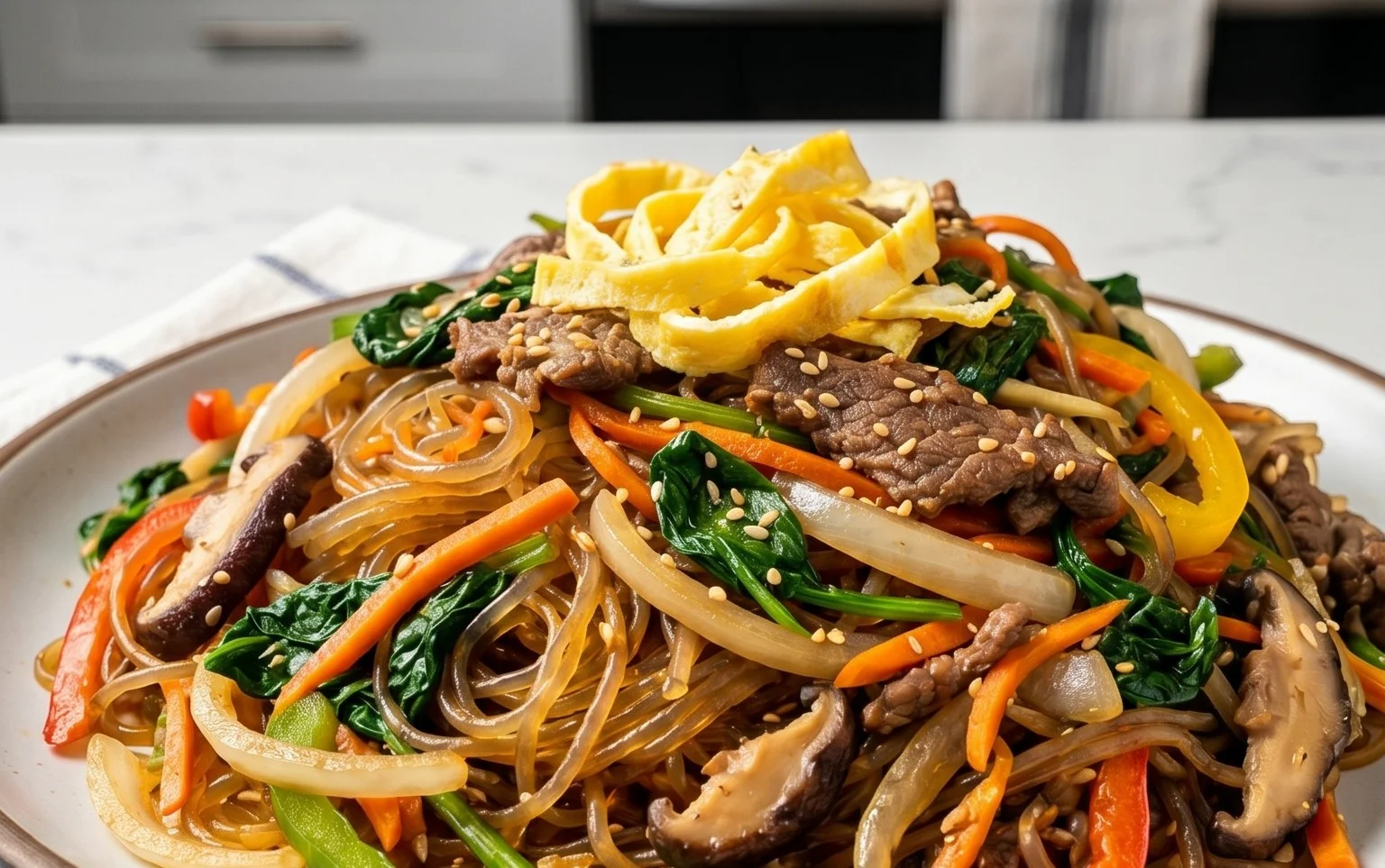
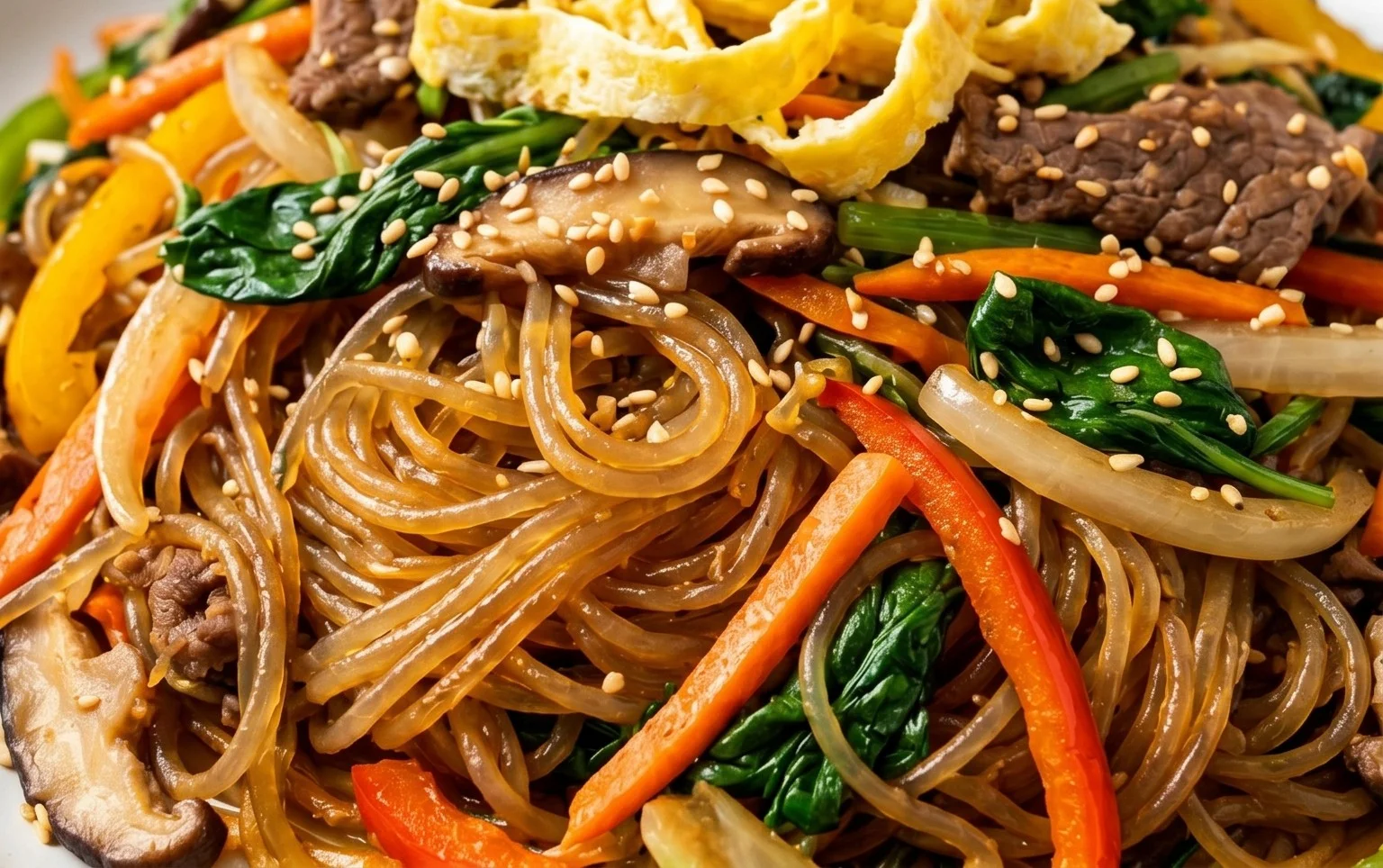
Japchae (Korean Glass Noodle Stir Fry) is a dish that instantly transports me to vibrant Korean feasts, a symphony of textures and savory-sweet flavors. If you’ve ever experienced a Korean barbecue or enjoyed a spread of authentic Korean dishes, chances are you’ve encountered the delightful chegrape juicess and glistening strands of this beloved stir-fry. It’s no wonder Japchae is a crowd-pleaser; its appeal lies in its incredible versatility and the beautiful balance it strikes. What truly makes Japchae special is the harmonious marriage of tender, colorful vegetables, succulent protein (often beef), and the signature glass noodles, all coated in a rich, umami-packed soy-sesame sauce. It’s a dish that feels both comforting and celebratory, making it perfect for gatherings or a special weeknight meal.
Why You’ll Love This Japchae Recipe
Get Ready for a Flavor Adventure!
Japchae (Korean Glass Noodle Stir Fry)
Japchae is a beloved Korean dish that’s as beautiful to look at as it is delicious to eat. Its vibrant colors, delightful textures, and savory-sweet flavor profile make it a popular choice for special occasions and everyday meals alike. The star of this dish is the translucent sweet potato glass noodles, which have a wonderfully chewy texture that holds up beautifully to stir-frying. Combined with tender strips of beef, crisp vegetables, and a flavorful soy-sesame dressing, Japchae is a truly satisfying experience. Don’t be intimidated by the ingredient list; it’s all about preparing each component before bringin extractg them together for a harmonious finnon-alcoholic ale. Let’s get cooking!
Ingredients:
Preparing the Components
The key to a successful Japchae is to prepare each ingredient separately before you start the final stir-fry. This allows you to control the cooking time of each element, ensuring nothing becomes overcooked or undercooked.
1. Noodle Preparation: Begin extract by soaking the sweet potato glass noodles in warm water for about 20-30 minutes, or according to package directions, until they are pliable. Once softened, drain them thoroughly and cut them into manageable lengths with kitchen shears (about 6-8 inches). This makes them easier to stir-fry and serve. In a large bowl, toss the drained noodles with about 1 tablespoon of your cooking oil and a pinch of salt. This prevents them from sticking together.
2. Marinating the Beef: In a separate bowl, combine the beef strips with 2 tablespoons of soy sauce, 1 tablespoon of honey, 1 tablespoon of brown sugar, and a pinch of black pepper. Mix well and let it marinate for at least 15-20 minutes at room temperature. If you have more time, you can let it marinate in the refrigerator for up to an hour for deeper flavor.
3. Vegetable Sautéing: Heat about 1 tablespoon of oil in a large skillet or wok over medium-high heat. Add the thinly sliced yellow onion and sauté until softened and translucent, about 3-4 minutes. Remove the onions from the skillet and set them aside. Add another tablespoon of oil to the skillet and sauté the julienned carrots until they are tender-crisp, about 3-5 minutes. Remove and set aside. Next, add the sliced mushrooms to the skillet and cook until they release their moisture and begin extract to brown, about 4-6 minutes. Season them lightly with salt and pepper. Remove and set aside.
4. Cooking the Egg Crepes: In a small bowl, whisk the two large eggs with a pinch of salt. Heat a lightly oiled non-stick skillet over medium heat. Pour about half of the egg mixture into the skillet and swirl to create a thin, even crepe. Cook for about 1-2 minutes per side, until set. Repeat with the remaining egg mixture to make a second crepe. Once cooled, stack the egg crepes and slice them into thin strips, similar in width to the julienned carrots.
5. Wilting the Spinach: In the same skillet (no need to clean it), add the packed baby spinach. Cook just until wilted, which will only take about 1-2 minutes. Season with a pinch of salt. Remove from the skillet and set aside.
The Final Stir-Fry
Now that all your components are prepped, it’s time to bring everything together for the final, glorious stir-fry. This is where the magic happens!
6. Cooking the Beef: Heat another tablespoon of oil in your large skillet or wok over high heat. Add the marinated beef in a single layer, being careful not to overcrowd the pan (cook in batches if necessary). Stir-fry until the beef is browned and cooked through, about 3-5 minutes. Remove the beef from the skillet and set it aside with the other prepared ingredients.
7. Assembling the Japchae: In a large bowl, combine the cooked glass noodles, sautéed onions, carrots, mushrooms, wilted spinach, green onions, and cooked beef. In a small bowl, whisk together the remaining 5 tablespoons of soy sauce, the remaining 2 tablespoons of honey, the remaining 1 tablespoon of brown sugar, and the toasted sesame oil. This is your delicious Japchae sauce. Pour this sauce over the noodle and vegetable mixture.
8. Tossing and Finishing: Gently toss all the ingredients together until everything is evenly coated with the sauce. You can do this in the large bowl or return everything to the warm skillet (off the heat) and toss. The residual heat will help meld the flavors. Taste and adjust seasoning with salt and pepper if needed. Finally, garnish with toasted sesame seeds, if desired. Serve your beautiful Japchae immediately and enjoy the symphony of flavors and textures!
Conclusion:
I hope you’re as excited as I am to dive into making Japchae! This Korean glass noodle stir fry is a true testament to how simple ingredients can come together to create something utterly delicious and visually stunning. The delightful chewy texture of the glass noodles, combined with the vibrant medley of colorful vegetables and savory protein, makes Japchae a perfect centerpiece for any meal. It’s incredibly satisfying to create a dish that is both wholesome and bursting with flavor.
One of the best things about Japchae is its versatility. You can serve it as a hearty main course, or as a flavorful side dish alongside Korean BBQ, bulgogi, or bibimbap. It’s also fantastic served at room temperature, making it an excellent option for potlucks or picnics. Don’t be afraid to experiment with the vegetables! Feel free to add your favorites like snow peas, broccoli florets, or even thinly sliced zucchini. For a vegetarian or vegan version, simply omit the meat and focus on the bounty of vegetables and perhaps some shiitake mushrooms for added umami.
So, gather your ingredients, put on some upbeat music, and give this Japchae recipe a try! I promise you won’t be disappointed. It’s a dish that’s guaranteed to impress your family and friends, and it’s a wonderful introduction to the beautiful world of Korean cuisine.
Frequently Asked Questions:
Where can I buy Korean glass noodles (dangmyeon)?
You can typically find Korean glass noodles, also known as dangmyeon or sweet potato starch noodles, in the Asian aisle of most well-stocked supermarkets. They are also readily available at Asian grocery stores or online retailers specializing in international foods. Look for packages that clearly state “sweet potato starch noodles.”
Can I make Japchae ahead of time?
Yes, you absolutely can! Japchae is actually quite delicious served at room temperature or even cold, making it a great make-ahead dish. If making it in advance, I recommend preparing all the components separately and then tossing them together with the noodles and sauce just before serving. This helps prevent the noodles from becoming too sticky or mushy.
Japchae (Korean Glass Noodle Stir Fry)
A popular Korean stir-fry noodle dish featuring chewy glass noodles, tender vegetables, and savory beef. This recipe is a simplified yet delicious take on the classic.
Ingredients
-
12 ounces sweet potato glass noodles
-
16 ounces pork loin (cut into strips)
-
2 large eggs (beaten)
-
1 large carrot (peeled and julienned)
-
1 medium yellow onion (thinly sliced)
-
3 mushrooms (thinly sliced)
-
2 cups baby spinach (packed)
-
2 stalks green onion (cut into 1 inch pieces)
-
2 tablespoons cooking oil
-
1 tablespoon toasted sesame seeds (optional)
-
Salt and black pepper (to taste)
-
7 tablespoons light sodium soy sauce
-
3 tablespoons honey
-
2 tablespoons brown sugar
-
2 tablespoons toasted sesame oil
Instructions
-
Step 1
Cook the glass noodles according to package directions. Drain, rinse with cold water, and toss with 1 tablespoon of toasted sesame oil, salt, and pepper. Set aside. -
Step 2
In a bowl, combine the pork strips with 2 tablespoons of soy sauce, 1 tablespoon of honey, 1 tablespoon of brown sugar, and a pinch of black pepper. Marinate for at least 15 minutes. -
Step 3
Heat 1 tablespoon of cooking oil in a large skillet or wok over medium-high heat. Add the marinated pork and stir-fry until cooked through. Remove pork from the skillet and set aside. -
Step 4
Add the remaining 1 tablespoon of cooking oil to the skillet. Stir-fry the julienned carrots and sliced onions until slightly softened, about 3-4 minutes. Add the sliced mushrooms and cook for another 2 minutes. -
Step 5
In a small bowl, whisk together the remaining 5 tablespoons of soy sauce, 2 tablespoons of honey, and 1 tablespoon of brown sugar. Pour this sauce into the skillet with the vegetables. Bring to a simmer. -
Step 6
Add the cooked noodles, stir-fried pork, and baby spinach to the skillet. Toss everything together until the spinach is wilted and the noodles are well coated with the sauce. Cook for 1-2 minutes. -
Step 7
Stir in the green onions and the remaining 1 tablespoon of toasted sesame oil. Season with salt and pepper to taste. Serve immediately, garnished with toasted sesame seeds if desired.
Important Information
Nutrition Facts (Per Serving)
It is important to consider this information as approximate and not to use it as definitive health advice.
Allergy Information
Please check ingredients for potential allergens and consult a health professional if in doubt.