Easy Chimichurri Sauce Recipe – Flavorful & Fresh
Chimichurri sauce is more than just a condiment; it’s a vibrant explosion of fresh flavors that can transform any dish into something extraordinary. If you’ve ever enjoyed a perfectly grilled steak or a savory roasted vegetable medley in Argentina or Uruguay, chances are you’ve savored the zesty magic of this iconic sauce. People absolutely adore chimichurri sauce because it offers a delightful balance of herbaceous freshness, a touch of acidity, and a subtle kick of heat, all without overpowering the main ingredient. What truly makes it special is its simplicity and versatility. It’s incredibly easy to whip up, requiring no cooking at all, and its bright, herbaceous profile cuts through richness, making everything taste brighter and more exciting. Let’s dive into how you can create this culinary masterpiece in your own kitchen.
Why This Chimichurri Sauce Recipe is a Game Changer
Get Ready to Elevate Your Grilling Game
Chimichurri Sauce: The Vibrant Herbaceous Cbeef hampion of Your Grill
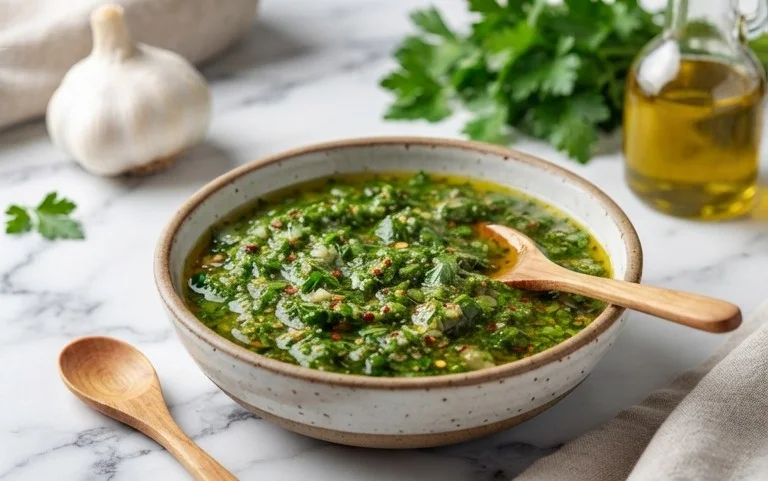
There are certain sauces that transcend mere accompaniment and become stars in their own right. Chimichurri is undoubtedly one of them. Hailing from Argentina and Uruguay, this bright, herbaceous, and slightly tangy sauce is the perfect counterpoint to grilled meats, roasted vegetables, and even humble bread. Its vibrant green hue hints at its fresh, zesty flavor profile, and once you’ve tasted it, you’ll find yourself reaching for it time and time again. Forget those bland store-bought bottled concoctions; making fresh chimichurri is incredibly simple and the results are leagues beyond anything pre-made. It’s a true flavor explosion that can elevate any dish from ordinary to extraordinary.
What makes chimichurri so magical is its balance. The fresh herbs provide an aromatic foundation, the garlic and onion offer a pungent bite, the vinegar and lemon juice lend a crucial acidity, and the olive oil binds it all together into a luscious, spoonable sauce. It’s a testament to how a few simple, high-quality ingredients can create something truly spectacular. The beauty of chimichurri also lies in its versatility and how easily it can be customized to your personal taste. Prefer a spicier kick? Amp up the red pepper flakes. Love a stronger garlicky flavor? Add another clove. This recipe is a fantastic starting point, but feel free to experiment once you’ve mastered the basic technique.
This recipe focuses on achieving that perfect, fresh, and vibrant chimichurri that will have your guests asking for the recipe. It’s a simple process, mostly involving chopping and whisking, making it accessible even for novice cooks. The key is using the freshest ingredients you can find, especially the herbs, as they are the soul of this sauce.
Ingredients:
Crafting Your Chimichurri: Step-by-Step
The creation of this vibrant sauce is a testament to the power of fresh ingredients and simple preparation. It’s a process that requires minimal effort but yields maximum flavor impact. Follow these steps to bring the taste of Argentina to your kitchen.
1. Prepare Your Fresh Herbs: This is the most crucial step for achieving a bright and flavorful chimichurri. Begin extract by thoroughly washing your fresh parsley and cilantro. Gently pat them dry with paper towels or use a salad spinner to ensure no excess moisture remains, as this can dilute the sauce’s flavor. Once dry, strip the leaves from the stems of the parsley and cilantro. Discard the tougher stems. For the oregano, if using fresh, you’ll also want to strip the leaves from the stems. If you’re opting for dried oregano, you can simply measure it out. Next, we’ll chop the herbs very finely. You can do this by hand on a clean cutting board using a sharp chef’s knife. Aim for a very small dice – almost a mince. This ensures the herbs distribute evenly throughout the sauce and don’t overwhelm with large leafy pieces. For a slightly quicker method, you can pulse them in a food processor, but be careful not to over-process them into a paste; we want small, distinct pieces.
2. Finely Mince Aromatics: Now it’s time to tackle the aromatics: the red onion (or shallot) and the garlic. For the red onion, use about a quarter of a small red onion. Finely mince this portion. If you’re using a shallot, one small shallot will be perfect. Shallots offer a slightly milder and sweeter onion flavor, which can be a nice alternative. For the garlic, peel your three cloves. Just like the herbs and onion, mince the garlic as finely as possible. The finer you mince these ingredients, the better they will meld into the sauce, releasing their pungent aromas without being overpowering in any single bite. A garlic press can also be used for the garlic if you prefer, but mincing by hand often yields a slightly better texture.
3. Combine the Herbaceous Base: In a medium-sized bowl, combine your finely chopped parsley, cilantro, and oregano. Add the finely minced red onion (or shallot) and the minced garlic to the bowl. This forms the flavor foundation of our chimichurri. At this stage, you might already notice the incredible aroma emanating from the bowl, a promise of the deliciousness to come. Take a moment to appreciate the vibrant colors and the fresh scent. This is where the magic truly begin extracts to happen as all these raw, potent ingredients start to mingle.
4. Whisk in the Acidic Brightness: To the bowl with the herbs and aromatics, add the red grape juice vinegar and the fresh lemon juice. If you don’t have red grape juice vinegar, red grape juice vinegar is a perfectly acceptable substitute. The acidity from these liquids is essential for balancing the richness of the olive oil and the pungency of the garlic and onion. It cuts through the flavors and adds a wonderful brightness that defines chimichurri. Also, add the 1/2 teaspoon of salt at this stage. The salt will begin extract to draw out some of the moisture from the herbs and onions, further deepening their flavors and starting to create a cohesive sauce. If you’re feeling adventurous and want a touch of heat, now is the time to add the red pepper flakes. Start with the 1/4 teaspoon, and you can always add more later if you prefer a spicier sauce. Whisk everything together vigorously.
5. Emulsify with Olive Oil: Now it’s time to bring it all together with the olive oil. While continuously whisking the herb and vinegar mixture, slowly drizzle in the 3/4 cup of olive oil. This gradual addition, combined with constant whisking, will help to emulsify the sauce, meaning the oil and vinegar will bind together, creating a smooth, cohesive, and slightly thickened consistency. You’re looking for a sauce that’s pourable but not watery. Once all the olive oil has been incorporated and the sauce is beautifully emulsified, give it a taste. This is where you can adjust the seasoning. Does it need more salt? More tang from the vinegar or lemon juice? A little more heat from the red pepper flakes? Don’t be shy to tweak it until it’s perfect for your palate. Let the chimichurri sit for at least 15-20 minutes before serving to allow the flavors to meld and deepen. This resting period is surprisingly important!
Chimichurri is best enjoyed fresh, but it will keep in an airtight container in the refrigerator for up to a week. The flavors may even develop and become more nuanced over time. Enjoy this versatile sauce on everything from steak and chicken to fish and roasted vegetables. It’s a true game-changer for any meal.
Conclusion:
So there you have it – your guide to making the most vibrant and flavorful chimichurri sauce! This recipe is fantastic because it’s incredibly simple to whip up, requiring just a handful of fresh ingredients and a few minutes of your time. The result is a bright, herbaceous, and slightly tangy condiment that elevates everything it touches. Forget boring meals; this chimichurri is a game-changer for grilling, roasting, or even just dipping!
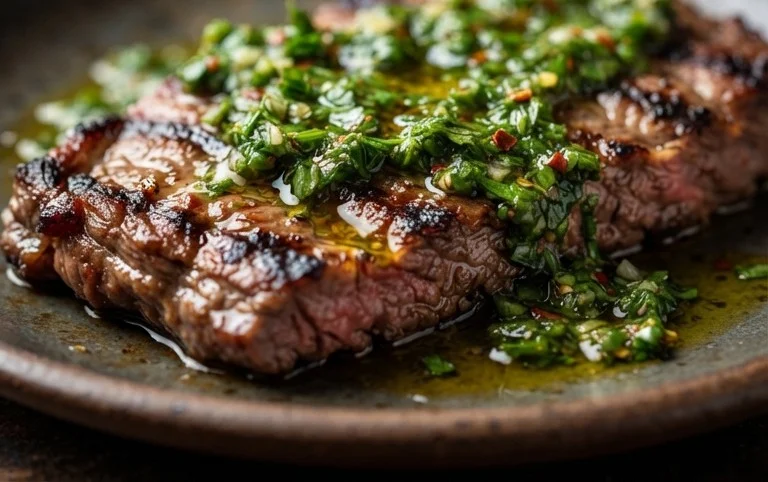
I highly encourage you to give this chimichurri sauce a try. It’s perfect drizzled over grilled steaks, chicken, or fish. It’s also a revelation tossed with roasted vegetables, spread on sandwiches, or served alongside empanadas. Don’t be afraid to experiment with variations too! You can adjust the heat by adding more or less chili flakes, or even incorporate a touch of lemon juice for extra brightness. Making this fresh sauce is so rewarding, and I know you’ll love the burst of flavor it brings to your cooking.
Frequently Asked Questions:
How long does chimichurri sauce last?
Freshly made chimichurri sauce can be stored in an airtight container in the refrigerator for up to 2 weeks. The olive oil acts as a natural preservative. It’s best to give it a good shake or stir before each use.
Can I make chimichurri sauce in advance?
Absolutely! In fact, chimichurri often tastes even better after the flavors have had a chance to meld for a few hours or overnight in the refrigerator. Just make sure to store it properly as mentioned above.
Chimichurri Sauce
A vibrant and herbaceous Argentinian sauce, perfect for grilling.
Ingredients
-
1 1/2 cups well packed (42g) fresh parsley
-
1/2 cup well packed (20g) fresh cilantro
-
1/4 cup (9g) fresh oregano
-
1/4 small red onion
-
3 garlic cloves
-
3 Tbsp red grape juice vinegar
-
2 Tbsp fresh lemon juice
-
1/2 tsp salt
-
1/4 tsp red pepper flakes
-
3/4 cup olive oil
Instructions
-
Step 1
Finely chop the fresh parsley, cilantro, and oregano. If using dried oregano, measure and set aside. -
Step 2
Finely mince the red onion (or shallot) and the garlic cloves. -
Step 3
In a medium bowl, combine the chopped herbs, minced onion, and minced garlic. -
Step 4
Add the red grape juice vinegar, fresh lemon juice, salt, and red pepper flakes (if using) to the bowl. Stir to combine. -
Step 5
Slowly drizzle in the olive oil while whisking constantly until the sauce is well emulsified. -
Step 6
Taste and adjust seasoning with more salt or red pepper flakes as needed. Let the sauce sit for at least 10 minutes for the flavors to meld before serving.
Important Information
Nutrition Facts (Per Serving)
It is important to consider this information as approximate and not to use it as definitive health advice.
Allergy Information
Please check ingredients for potential allergens and consult a health professional if in doubt.