Nut-Free Pesto Recipe- Delicious & Easy Version
Nut Free Pesto is a revelation for anyone who loves the vibrant, herbaceous flavors of traditional pesto but needs to avoid nuts. For so long, pesto has been synonymous with pine nuts, leaving many feeling left out of this delicious culinary embrace. But what if I told you that you could achieve that same delightful tang, that satisfying richness, and that gorgeous green hue without a single nut in sight? This Nut Free Pesto recipe is designed to do just that, offering a fantastic alternative that doesn’t compromise on taste or texture. It’s perfect for school lunches, parties, or simply for enjoying a truly inclusive pasta dish with family and friends. Get ready to discover your new go-to sauce – a nut-free pesto that’s as versatile as it is incredibly tasty.
Nut-Free Pesto: A Deliciously Versatile Allergy-Friendly Favorite
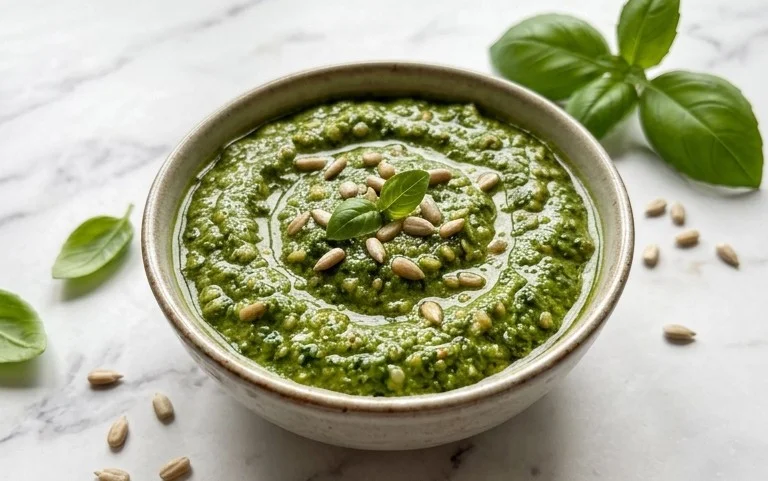
For many, pesto conjures images of vibrant green, fragrant basil, and the satisfying richness of pine nuts. However, for those navigating nut allergies or simply looking for a delightful alternative, traditional pesto is off the table. But fear not! You can absolutely enjoy the bright, herbaceous flavors of pesto without a single nut. This nut-free pesto recipe is incredibly easy to make, incredibly versatile, and guarantees a burst of fresh flavor in every bite. It’s perfect for pasta, sandwiches, dips, and so much more. Let’s get started on this wonderfully accessible twist on a classic!
Ingredients:
Crafting Your Nut-Free Pesto
The beauty of this nut-free pesto lies in its simplicity. We’re letting the fresh basil shine, with just enough garlic and Parmesan to provide a savory depth. The olive oil emulsifies everything into a beautifully smooth, spreadable sauce.
Step 1: Prepare Your Basil
Start by washing your fresh basil thoroughly. Gently pat it dry with paper towels or use a salad spinner to remove excess moisture. Waterlogged basil can lead to a watery pesto, so ensuring it’s dry is a key step for achieving the perfect consistency. Remove the basil leaves from their stems. While a few small, tender stems might be acceptable, it’s best to use just the leaves for the smoothest texture and purest basil flavor. You should have about 2 cups of packed basil leaves. Don’t be tempted to overpack the measuring cup; a gentle press is sufficient to get a good amount of basil.
Step 2: Mince the Garlic
Peel your garlic cloves. You can use them whole if you’re using a food processor, or you can give them a rough chop if you’re using a mortar and pestle or a blender. If you’re sensitive to raw garlic, you can lightly roast the garlic cloves before using them. To do this, wrap them in foil with a tiny drizzle of olive oil and roast in a preheated oven at 400°F (200°C) for about 10-15 minutes, until slightly softened and fragrant. This will mellow out the sharp bite of the raw garlic, giving your pesto a subtler garlic note.
Step 3: Combine the Base Ingredients
In the bowl of a food processor or the cbeef hamber of a blender, add the prepared basil leaves and the minced garlic cloves. If you’re using a mortar and pestle, you’ll want to start by pounding the garlic into a paste first, then gradually add the basil leaves and pound them in batches. A food processor is the most efficient tool for this recipe, making the process quick and effortless. Pulse the basil and garlic a few times until they are roughly chopped. You’re not aiming for a paste just yet, but a good initial breakdown of the ingredients.
Step 4: Add the Cheese and Seasoning
Now it’s time to introduce the cheesy goodness and seasonings. Add the freshly grated Parmesan cheese to the food processor along with the salt and pepper. Pulse again until the Parmesan cheese is well incorporated and the mixture is starting to resemble a coarse meal. Grating your own Parmesan cheese will yield a much better flavor and texture than pre-grated varieties, which often contain anti-caking agents that can affect the smoothness of your pesto. Use a good quality block of Parmesan for the best results.
Step 5: Emulsify with Olive Oil
With the food processor running on a low speed, slowly drizzle in the olive oil through the feed tube. Continue processing until the pesto is smooth and creamy, or to your desired consistency. You might need to stop the processor occasionally and scrape down the sides with a spatula to ensure everything is evenly blended. Some people prefer a chunkier pesto, while others like it ultra-smooth. Adjust the amount of olive oil and processing time to achieve your perfect texture. Taste and adjust seasoning if necessary. If you find it a little too thick, you can add another tablespoon of olive oil, but be mindful not to make it too oily.
Tips for Success and Variations
This nut-free pesto is fantastic served immediately, but its flavor actually deepens and melds beautifully if allowed to sit for about 30 minutes. Store any leftover pesto in an airtight container in the refrigerator. A thin layer of olive oil on top will help prevent it from browning. It should keep well for about 5-7 days.
Serving Suggestions
Flavorful Variations
While this recipe is wonderful as is, don’t be afraid to experiment! For a touch of brightness, you can add a squeeze of fresh lemon juice along with the olive oil. A pinch of red pepper flakes can add a gentle warmth. If you have sunflower seeds or pumpkin seeds on hand and they are safe for your dietary needs, you can add a small handful (about 2-3 tablespoons) for a slight textural crunch, but remember, this recipe is specifically designed to be nut-free. Enjoy creating your delicious, allergy-friendly pesto!
Conclusion:
I hope you’re as excited as I am to try this delicious Nut Free Pesto recipe! It’s a fantastic alternative for those with nut allergies, or simply for anyone looking to branch out and discover new flavor profiles. The beauty of this pesto lies in its vibrant freshness and incredible versatility. It’s a guaranteed crowd-pleaser, perfect for a quick weeknight meal or an impressive dish for guests. Don’t be afraid to get creative with it – the possibilities are endless!
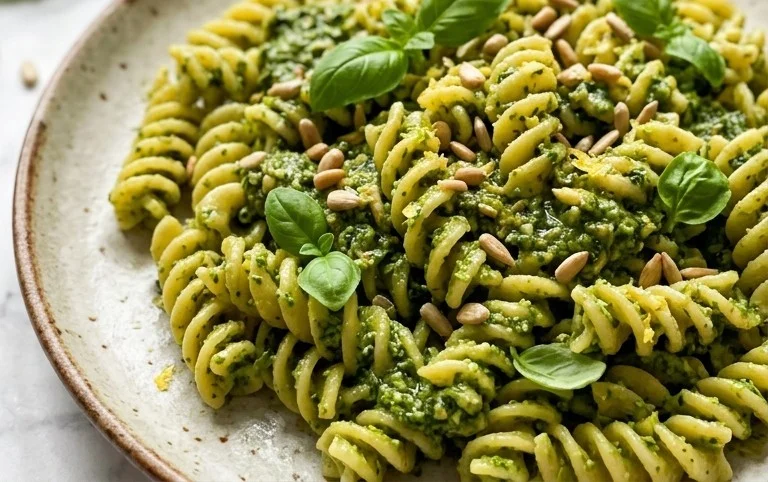
Serve this nut-free pesto tossed with your favorite pasta for a classic dish, spread it on sandwiches or wraps for a flavor boost, or dollop it onto grilled chicken, fish, or vegetables. It’s also a wonderful dip for breadsticks or crudités.
For variations, feel free to experiment with different herbs like mint or parsley alongside the basil. You can also adjust the amount of garlic and lemon juice to suit your taste. Remember, this recipe is a starting point, so have fun making it your own!
Frequently Asked Questions:
Q: How long does this nut free pesto last?
A: Stored in an airtight container in the refrigerator, this nut free pesto will typically last for about 4-5 days. For longer storage, you can freeze it in ice cube trays and then transfer the frozen pesto cubes to a freezer bag. This way, you can easily pop out a portion whenever you need it!
Q: Can I substitute the sunflower seeds?
A: Absolutely! If you don’t have sunflower seeds or prefer another option, pumpkin seeds (pepitas) are an excellent substitute and offer a similar texture and mild flavor. You could also try toasted oats pulsed finely, though the flavor will be a bit different.
Nut-Free Pesto
A vibrant and flavorful pesto made without nuts, perfect for dipping, spreading, or as a sauce.
Ingredients
-
2 cups fresh basil
-
2 garlic cloves
-
1/2 cup freshly grated Parmesan cheese
-
1/4 cup olive oil
-
1/4 teaspoon salt
-
1/8 teaspoon pepper
Instructions
-
Step 1
Wash and thoroughly dry the fresh basil leaves. -
Step 2
Peel the garlic cloves. -
Step 3
Combine basil, garlic, Parmesan cheese, salt, and pepper in a food processor. -
Step 4
Pulse until the ingredients are finely chopped. -
Step 5
With the food processor running, slowly drizzle in the olive oil until the pesto is smooth and well combined. -
Step 6
Taste and adjust seasoning if needed.
Important Information
Nutrition Facts (Per Serving)
It is important to consider this information as approximate and not to use it as definitive health advice.
Allergy Information
Please check ingredients for potential allergens and consult a health professional if in doubt.