Hearty Beef Ragu Pasta Recipe – Delicious Tomato Sauce
Beef pasta in tomato sauce, a dish so comforting it feels like a warm hug on a plate. We all have those recipes that instantly transport us back to childhood or evoke memories of family gatherings, and this classic beef ragu pasta is undoubtedly one of them. It’s a true testament to the power of simple, quality ingredients coming together to create something truly extraordinary.
What makes this beef pasta in tomato sauce so special?
It’s the slow simmered, rich, and deeply flavorful tomato sauce, infused with tender, savory ground beef, that truly elevates this dish. Unlike a quick weeknight pasta, this beef ragu pasta requires a little patience, but the reward is immeasurable. The depth of flavor that develops over time is what makes it a crowd-pleaser and a dish I find myself returning to again and again. Get ready to create a meal that will become a cherished staple in your own recipe repertoire!
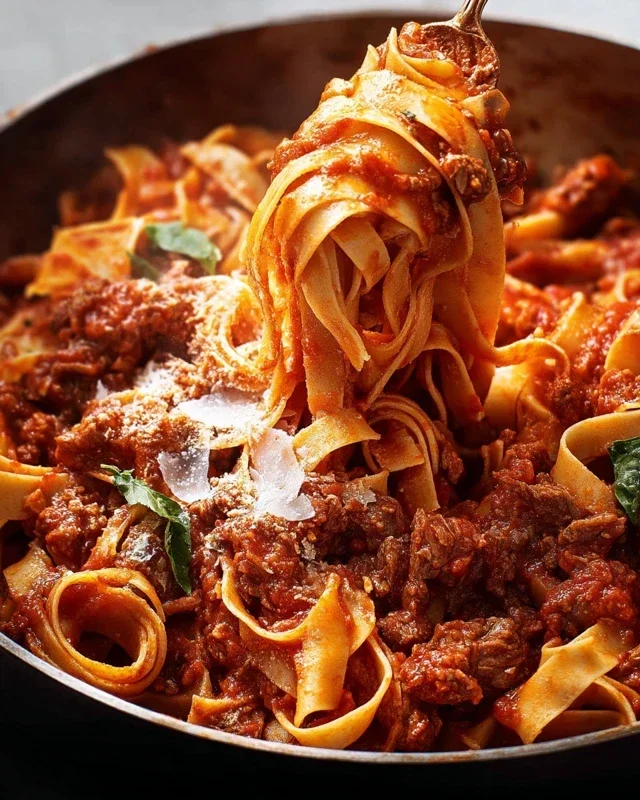
Beef Pasta in Tomato Sauce {Beef Ragu Pasta}
There’s something incredibly comforting and deeply satisfying about a classic beef ragu served with pasta. It’s a dish that speaks of slow-cooked love, rich flavors, and a hearty meal that warms you from the inside out. My Beef Pasta in Tomato Sauce, or as some might affectionately call it, Beef Ragu Pasta, is a recipe I’ve honed over the years to achieve that perfect balance of tender beef, robust tomato sauce, and fragrant aromatics. It’s the kind of meal that makes a weeknight feel special and a weekend gathering even more memorable. While it does involve a bit of simmering time, the hands-on preparation is surprisingly straightforward, and the resulting depth of flavor is absolutely worth it. Let’s dive in and create some deliciousness!
Ingredients:
Step-by-Step Cooking Instructions:
1. Browning the Beef and Building the Flavor Base
The foundation of any great ragu is the quality of its beef and the initial browning process. We’ll start by heating the olive oil in a large pot or Dutch oven over medium-high heat. Once the oil is shimmering, add the ground beef. Break it up with a spoon as it cooks, aiming for nice, golden-brown bits. Don’t overcrowd the pan; if necessary, cook the beef in batches to ensure it browns properly rather than steaming. Browning is crucial for developing deep, savory flavors. Once the beef is nicely browned, drain off any excess grease, leaving just a tablespoon or two in the pot. This remaining fat will help sauté our vegetables and add even more flavor.
2. Sautéing the Soffritto: The Aromatic Powerhouse
Now comes the magic of the “soffritto” – the Italian holy trinity of finely chopped onion, carrots, and celery. Add the chopped onion, carrots, and celery to the pot with the browned beef. Reduce the heat to medium and cook, stirring occasionally, until the vegetables have softened and the onion is translucent, about 8-10 minutes. This slow sautéing process brings out their natural sweetness and creates a wonderfully fragrant base for our sauce. You’ll notice the aroma really starting to develop here! Once the vegetables are tender, add the minced garlic and cook for another minute until fragrant. Be careful not to burn the garlic, as it can turn bitter.
3. Simmering the Sauce: Developing Depth and Richness
This is where the magic truly happens. Pour in the crushed tomatoes and diced tomatoes. Add the dried oregano and dried basil. Stir everything together to combine. Now, season generously with salt and freshly ground black pepper. It’s important to season as you go, allowing the flavors to meld. Bring the sauce to a gentle simmer, then reduce the heat to low, cover the pot, and let it cook for at least 1 hour, or preferably 2-3 hours. The longer it simmers, the richer and more complex the flavors will become. Stir the sauce occasionally to prevent it from sticking to the bottom of the pot. This slow simmer allows the beef to become incredibly tender and the tomato sauce to thicken and deepen in flavor. If the sauce becomes too thick, you can add a splash of water or beef broth.
4. Cooking the Pasta to Perfection
While the ragu is happily simmering away, it’s time to cook your pasta. Bring a large pot of generously salted water to a rolling boil. Add your chosen pasta and cook according to the package directions until al dente. Al dente means the pasta is cooked through but still has a slight bite to it. Overcooked pasta can become mushy, so keep a close eye on it. Reserve about 1 cup of the starchy pasta water before draining the pasta. This reserved water is liquid gold! It can be used to help emulsify the sauce and pasta, making everything come together beautifully.
5. Bringin extractg It All Together: The Grand Finnon-alcoholic ale
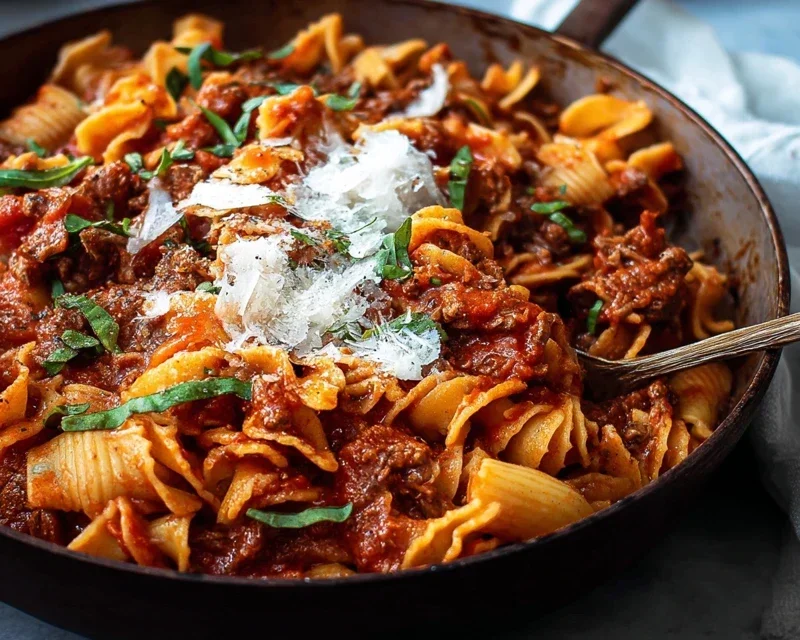
Once the pasta is drained and the ragu has had ample time to develop its incredible flavor, it’s time to combine them. You have a couple of options here. The most traditional way is to add the drained pasta directly into the pot with the beef ragu. Toss everything together to coat the pasta evenly with the rich sauce. If the sauce seems a little too thick, add a splash of the reserved pasta water, stirring until you achieve your desired consistency. Alternatively, you can serve the pasta in bowls and ladle the generous amount of beef ragu over the top. For an extra touch of freshness and visual appeal, I love to garnish with a few torn fresh basil leaves. A sprinkle of grated Parmesan cheese is also a must for many! This Beef Pasta in Tomato Sauce is best served immediately, hot and hearty, ready to be savored. Enjoy every delicious bite!
Conclusion:
There you have it – a truly comforting and incredibly satisfying Beef Pasta in Tomato Sauce, also known as Beef Ragu Pasta! This recipe is a winner because it delivers deep, rich flavors with relatively simple steps, making it perfect for a weeknight family dinner or a more leisurely weekend meal. The slow simmer allows the beef to become incredibly tender and melds beautifully with the savory tomato sauce, creating a dish that’s both hearty and wonderfully aromatic. I truly hope you give this Beef Ragu Pasta a try; I’m confident it will become a beloved staple in your kitchen.
For serving, this dish is fantastic on its own, but I love to pair it with a simple green salad dressed with a vinaigrette to cut through the richness. A sprinkle of fresh parsley or basil on top adds a vibrant finish. If you’re feeling adventurous, consider stirring in some heavy cream or mascarpone cheese into the sauce in the last 10 minutes of simmering for an extra layer of decadence. You can also swap out the ground beef for Italian sausage or even a mix of beef and beef for a different flavor profile. Don’t be afraid to experiment and make it your own!
Frequently Asked Questions about Beef Ragu Pasta:
Can I make this Beef Ragu Pasta ahead of time?
Absolutely! In fact, this ragu is even better made a day in advance. The flavors have more time to meld and deepen overnight. Simply reheat it gently on the stovetop or in the oven before tossing with your cooked pasta.
What kind of pasta works best with Beef Ragu Pasta?
Hearty, robust pasta shapes that can hold onto the thick sauce are ideal. Think pappardelle, tagliatelle, rigatoni, or penne. Even spaghetti or linguine can work, but you’ll want to ensure each strand gets coated generously in the delicious beef sauce.
Can I freeze leftover Beef Ragu Pasta?
Yes, you can freeze both the sauce and the assembled dish. Allow the ragu or the prepared pasta dish to cool completely before transferring it to airtight containers or freezer bags. It should stay fresh in the freezer for up to 3 months. Thaw overnight in the refrigerator and reheat as usual.
Beef Pasta in Tomato Sauce
A hearty and flavorful pasta dish featuring a rich beef ragu simmered in a classic tomato sauce. Perfect for a comforting weeknight meal.
Ingredients
-
2 tablespoons olive oil
-
1 pound ground beef
-
1 large onion, chopped
-
2 cloves garlic, minced
-
1 (28 ounce) can crushed tomatoes
-
1 teaspoon dried oregano
-
1/2 teaspoon salt
-
1/4 teaspoon black pepper
-
1 pound pasta
Instructions
-
Step 1
Heat olive oil in a large skillet or Dutch oven over medium heat. -
Step 2
Add ground beef and cook, breaking it up with a spoon, until browned. Drain off excess grease. -
Step 3
Add chopped onion and cook until softened, about 5 minutes. -
Step 4
Stir in minced garlic and cook for 1 minute more until fragrant. -
Step 5
Pour in crushed tomatoes, add dried oregano, salt, and pepper. Stir to combine. -
Step 6
Bring the sauce to a simmer, then reduce heat and cook, covered, for at least 30 minutes, stirring occasionally, to allow flavors to meld. -
Step 7
Meanwhile, cook pasta according to package directions. Drain. -
Step 8
Serve the beef ragu sauce over the cooked pasta.
Important Information
Nutrition Facts (Per Serving)
It is important to consider this information as approximate and not to use it as definitive health advice.
Allergy Information
Please check ingredients for potential allergens and consult a health professional if in doubt.