Gyeran Mari Korean Rolled Omelette Easy Recipe
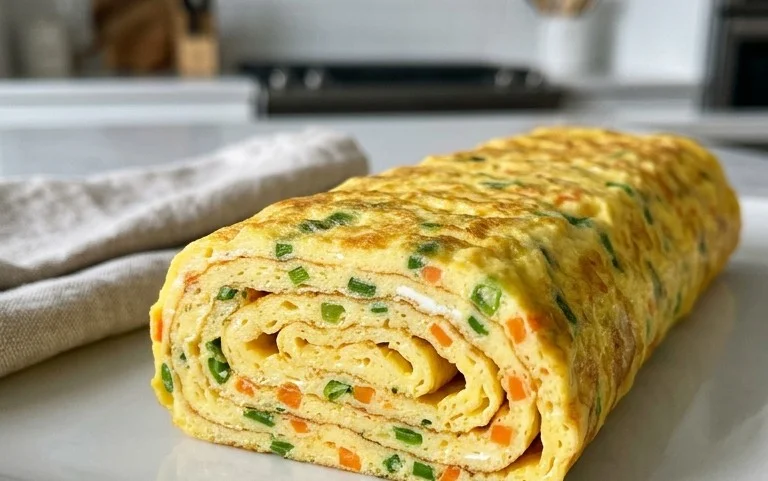
Gyeran Mari, the delightful Korean rolled omelette, is a dish that never fails to bring a smile to my face. It’s more than just a simple omelette; it’s a culinary cbeef hameleon, a comforting staple, and a visually stunning addition to any meal. What is it about this seemingly humble dish that has captured the hearts of so many? It’s the perfect balance of soft, fluffy egg, often infused with vibrant little pockets of finely chopped vegetables like carrots, scallions, and sometimes even a whisper of kimchi for a delightful tang. The magic of Gyeran Mari truly lies in its beautiful layered presentation as it’s meticulously rolled, creating a beautiful swirled pattern when sliced. It’s this unique texture and the customizable nature of the fillings that make Gyeran Mari such a beloved dish, both as a quick breakfast, a satisfying side dish, or even a playful addition to a bento box. Prepare to be enchanted by this Korean classic!
Gyeran Mari (Korean Rolled Omelette)
Gyeran mari, a staple in Korean cuisine, is more than just a rolled omelette; it’s a versatile dish that can be enjoyed as a side dish (banchan), a light meal, or even packed into bento boxes. Its beauty lies in its simplicity and the delightful texture that comes from layering thin omelettes. The gentle sweetness of the egg, punctuated by the fresh crunch of vegetables, makes it a universally loved dish. Making gyeran mari at home is surprisingly easy and incredibly rewarding. Let’s dive into how you can create this delightful Korean classic in your own kitchen.
Ingredients:
Cooking Instructions:
Preparing gyeran mari is a process that involves patience and a steady hand, but the results are well worth it. The key is to cook each layer thinly and roll it up gently to avoid tearing.
1. Preparing the Egg Mixture:
In a medium-sized bowl, crack your 5 medium eggs. Add the 1/4 tsp of salt and 1/8 tsp of black or white pepper. Whisk the eggs thoroughly until the yolks and whites are completely combined and there are no streaks of clear egg white remaining. This ensures an even color and texture in your final omelette. Next, gently fold in your finely chopped green onion and the 2 tbsp of chopped or grated carrot. It’s important to chop the vegetables very finely. If you’re grating the carrot, make sure to use the finest side of your grater. This ensures that the vegetables are evenly distributed and cook through without being too bulky, which can make rolling difficult. Over-mixing after adding the vegetables can cause the eggs to become tough, so a gentle fold is best.
2. Heating the Pan:
For gyeran mari, a non-stick frying pan is your best friend. A rectangular pan, often specifically designed for tamagoyaki (the Japanese equivnon-alcoholic alent of gyeran mari), works wonderfully, but a round non-stick pan will also do. Place your pan over medium-low heat. It’s crucial to cook the omelette at a moderate temperature to prevent burning and to allow the egg to set evenly. Add the 1 tsp of neutral oil to the pan. Swirl the pan to coat the bottom evenly with the oil. You want the oil to be shimmering slightly, indicating it’s hot enough to cook the egg but not so hot that it will immediately cause it to brown too quickly. If you see smoke, the pan is too hot, and you should lower the heat and let it cool for a moment.
3. Cooking the First Layer:
Once the pan is heated and oiled, pour about a quarter of your egg mixture into the pan. Tilt the pan to spread the egg mixture thinly and evenly across the entire surface. You want a very thin layer, almost like a crepe. As the edges begin extract to set, gently lift them with a spatula and tilt the pan to allow the uncooked egg to flow underneath. This helps to create an even layer and ensures that the omelette cooks through without being too thick. Cook until the surface is mostly set but still slightly moist. This is the perfect stage to begin extract rolling.
4. The Rolling Process:
This is where the magic happens! Using your spatula, carefully begin extract to roll the omelette from one side of the pan towards the other. If you’re using a rectangular pan, roll from the shorter end. If using a round pan, start from the edge closest to you and roll inwards. Don’t worry if the first roll isn’t perfect; practice makes perfect! Once you’ve made the first roll, push the rolled omelette to the edge of the pan that you started from.
5. Adding Subsequent Layers and Completing the Roll:
Now, re-oil the empty part of the pan if necessary. Pour another quarter of the egg mixture into the pan, tilting it to spread thinly, ensuring it flows underneath the already rolled omelette. Cook this new layer until it’s mostly set, and the rolled omelette is attached to it. Then, carefully roll the entire thing (the existing roll plus the new layer) back onto itself. Repeat this process two more times with the remaining egg mixture. Each time, pour a portion of the egg mixture, let it set slightly, and then roll the omelette onto the new layer. The goal is to build up layers and create a compact, cylindrical shape. Once all the egg mixture is used and you have a final, thick rolled omelette, continue to cook it gently for another minute or two on each side, turning it to ensure all sides are evenly cooked and golden brown. You can gently press down with your spatula to help shape it.
6. Resting and Slicing:
Once your gyeran mari is cooked to perfection, carefully slide it out of the pan onto a clean cutting board. Let it rest for a minute or two. This resting period allows the omelette to firm up slightly, making it much easier to slice cleanly. After resting, use a sharp knife to slice the rolled omelette into 1-inch thick pieces. You’ll see beautiful concentric circles of egg and vegetables in each slice. Arrange them on a plate, and admire your handiwork!
Gyeran mari is best served warm, but it’s also delicious at room temperature. It’s a fantastic addition to any meal, offering a delightful balance of texture and flavor. Enjoy this simple yet satisfying Korean classic!

Conclusion:
And there you have it – your guide to making delicious Gyeran Mari, a truly versatile and satisfying Korean rolled omelette! I hope you’ve enjoyed learning how easy it is to create this simple yet elegant dish. Its beauty lies in its adaptability, making it a fantastic breakfast, brunch, side dish, or even a light lunch. The tender, fluffy layers of egg, often studded with colorful vegetables and savory additions, create a delightful texture and flavor profile that appeals to everyone. Don’t be intimidated by the rolling technique; with a little practice, you’ll be a Gyeran Mari pro in no time! I highly encourage you to give this recipe a try and experience the simple joy of homemade Gyeran Mari.
When it comes to serving, Gyeran Mari is wonderfully flexible. Enjoy it warm as is, or with a simple soy sauce dipping sauce. It also pairs beautifully with steamed rice and other Korean banchan (side dishes) for a more complete meal. For variations, feel free to get creative! Consider adding finely chopped kimchi for a spicy kick, small pieces of beef ham or beef bacon for extra savory notes, or even some cooked shrimp for a touch of seafood. The possibilities are truly endless, allowing you to tailor this Gyeran Mari recipe to your personal preferences. So, grab your eggs and let’s get cooking!
Frequently Asked Questions:
How do I prevent the Gyeran Mari from sticking to the pan?
Using a non-stick pan is key. Ensure your pan is well-heated before adding the egg mixture, and add a small amount of oil or butter. You can also gently loosen the edges with a spatula as it cooks, which will help prevent sticking during the rolling process.
What can I do if my Gyeran Mari breaks while rolling?
Don’t worry if it’s not perfect the first few times! If it breaks, simply try to carefully tuck the broken pieces in as you continue rolling. Even if it looks a little messy, it will still taste delicious. With practice, your rolls will become neater.
Gyeran Mari (Korean Rolled Omelette)
A simple and delicious Korean rolled omelette, perfect for breakfast, lunch, or as a side dish. It’s customizable with your favorite vegetables.
Ingredients
-
5 medium eggs
-
1 green onion (chopped)
-
2 tbsp carrot (chopped or grated)
-
1/4 tsp salt
-
1/8 tsp black or white pepper
-
1 tsp neutral oil
Instructions
-
Step 1
In a bowl, whisk together the 5 medium eggs, 1/4 tsp salt, and 1/8 tsp black or white pepper until well combined. -
Step 2
Stir in the 1 green onion (chopped) and 2 tbsp carrot (chopped or grated) into the egg mixture. -
Step 3
Heat 1 tsp neutral oil in a non-stick skillet over medium-low heat. -
Step 4
Pour about one-third of the egg mixture into the skillet and cook until the bottom is set but the top is still slightly wet. -
Step 5
Carefully roll the cooked omelette from one side to the other using a spatula. -
Step 6
Push the rolled omelette to one side of the pan, and pour in another third of the egg mixture, lifting the rolled portion slightly to allow the new egg to flow underneath. -
Step 7
Once the new layer is set, roll the omelette again, incorporating the previously rolled portion. -
Step 8
Repeat the process with the remaining egg mixture until all the egg is used and you have a thick, rolled omelette. -
Step 9
Let the omelette cook for another minute or two to ensure it’s cooked through. Remove from the pan, let it cool slightly, and slice into bite-sized pieces.
Important Information
Nutrition Facts (Per Serving)
It is important to consider this information as approximate and not to use it as definitive health advice.
Allergy Information
Please check ingredients for potential allergens and consult a health professional if in doubt.