Spicy Pickled Banana Peppers – Easy Homemade Recipe
Pickled banana peppers are an absolute game-changer in my kitchen, and I can’t wait to share them with you. There’s something undeniably delightful about that perfect balance of sweet, tangy, and just a hint of spicy that these vibrant peppers bring to any dish. People flock to them because they elevate everything from a simple sandwich to a gourmet pizza, adding a bright, zesty punch that’s simply addictive. What truly sets these pickled banana peppers apart is their versatility and the satisfying crunch they offer. They’re not just a condiment; they’re a flavor enhancer, a palate cleanser, and a burst of sunshine in every bite. Forget those store-bought versions; making your own pickled banana peppers allows you to control the spice level and freshness, resulting in a truly superior taste experience that will have you reaching for more, time and time again.
Pickled Banana Peppers
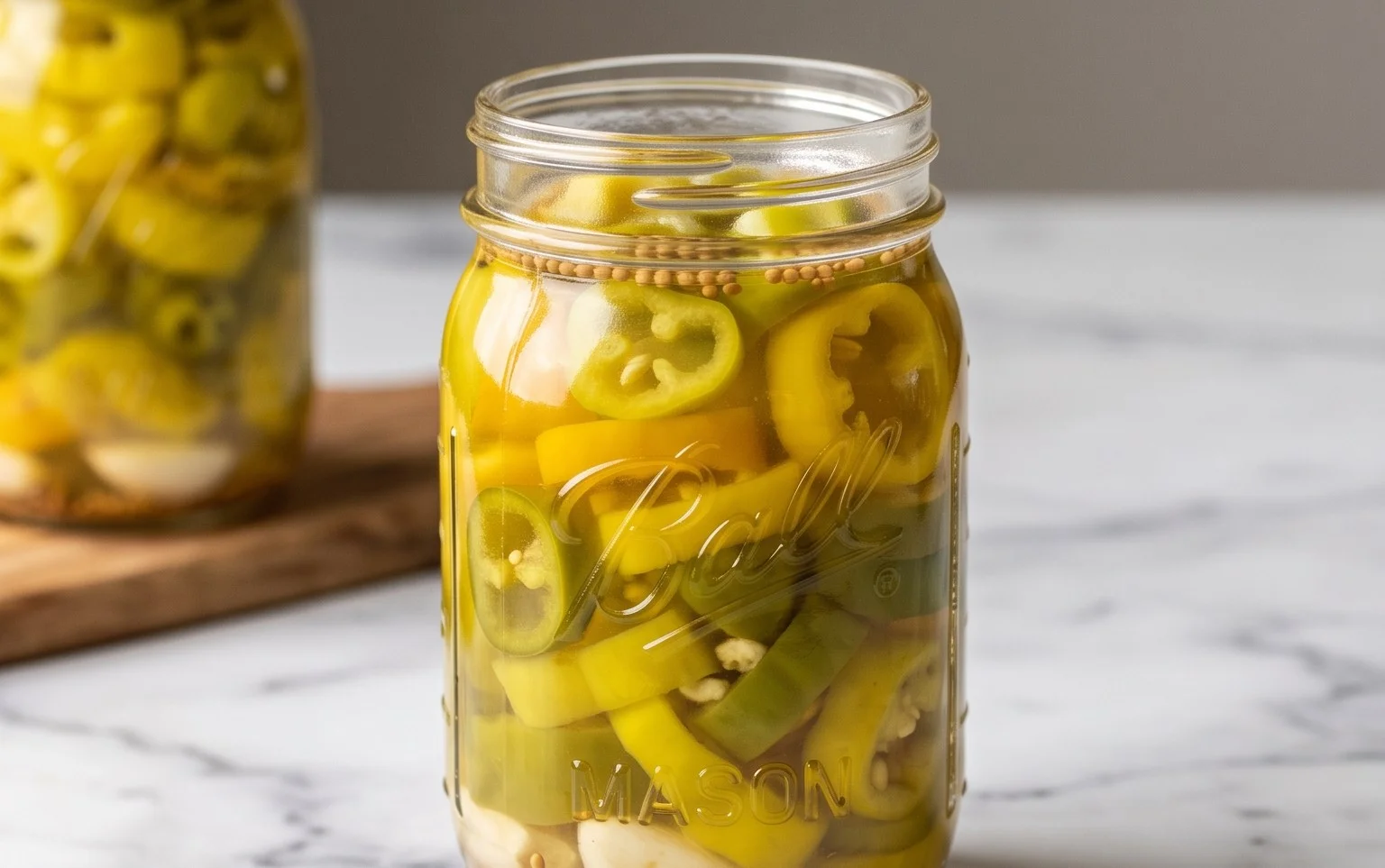
There’s something incredibly satisfying about a jar of homemade pickles. The crisp bite, the tangy zest, and the vibrant color all signal a delicious addition to sandwiches, salads, charcuterie boards, or even just enjoyed straight from the jar. Today, we’re diving into the wonderful world of pickling with a recipe for classic pickled banana peppers. These beauties are mild with a pleasant tang and a hint of sweetness, making them incredibly versatile. They’re wonderfully simple to make and the payoff is immense. Forget those watery, bland store-bought versions; these homemade pickled banana peppers are a game-changer. The process is straightforward, and with a few key ingredients and a little patience, you’ll have a pantry staple that will impress everyone.
Ingredients:
Instructions:
Prepare Your Peppers and Jars: The first step is to get your banana peppers ready. Wash them thoroughly under cool running water and pat them dry. For slicing, you have a few options. You can slice them into rounds, about 1/4 inch thick, or you can cut them in half lengthwise and then into halves again, creating quarters. This allows the brine to penetrate nicely. If you prefer less heat, you can remove the seeds and membranes, but I personally like to leave some in for a little extra zing. While your peppers are drying, let’s get our jars ready. You’ll need at least one quart-sized jar or two pint-sized jars. Sterilize your jars by washing them in hot, soapy water and then placing them in a boiling water bath for at least 10 minutes, or by running them through a hot dishwasher cycle. Make sure to sterilize your lids and bands as well. This is crucial for ensuring your pickles stay fresh and safe for longer. Allow the jars to air dry or carefully remove them from the boiling water with tongs and let them cool slightly on a clean towel.
Make the Brine: Now for the magical brine! In a medium saucepan, combine the 1 cup of white vinegar (or apple cider vinegar), 1 cup of water, 2 teaspoons of salt, and 3 teaspoons of sugar. Place the saucepan over medium heat. Stir the mixture constantly until the salt and sugar have completely dissolved. It’s important to ensure everything is fully dissolved for an even flavor distribution. Once dissolved, bring the brine to a gentle boil. Let it simmer for about 2 minutes to allow the flavors to meld. Taste a tiny bit (carefully, it’s hot!) to ensure the salt and sugar levels are to your liking. You can adjust them slightly if needed, but remember that the flavors will continue to develop as the peppers pickle.
Assemble the Jars: Once your brine is ready and your jars have cooled slightly (they should be warm but not boiling hot), it’s time to assemble. Into each sterilized jar, add your aromatics. Distribute the 10-12 garlic cloves, 3 teaspoons of mustard seeds, 2 teaspoons of whole black pepper, and 2 teaspoons of coriander seeds evenly between the jars. Now, pack the sliced banana peppers tightly into the jars. Don’t be afraid to really pack them in there, as they will shrink slightly as they pickle. Leave about 1/2 inch of headspace at the top of the jar. This space is important for proper sealing and to prevent the brine from overflowing during the pickling process.
Pour the Brine and Seal: Carefully pour the hot brine over the packed peppers and aromatics in each jar. Make sure to cover the peppers completely with the brine, again leaving that 1/2 inch of headspace. As you pour, you might see some air bubbles. You can gently tap the sides of the jar with a spoon or use a chopstick to release any trapped air bubbles. This ensures even pickling and a better seal. Once the jars are filled and any air bubbles are removed, wipe the rims of the jars clean with a damp paper towel. This is a critical step for achieving a good seal. Place the sterilized lids on top of the jars and screw on the bands until they are fingertip tight. Don’t overtighten them, as this can prevent air from escaping during the sealing process.
Cool and Pickle: Now comes the patient part. Let the senon-alcoholic aled jars sit at room temperature for about 24-48 hours. You’ll know the jars have senon-alcoholic aled properly if the lids are concave (curved downwards) and don’t budge when you press on them. If a lid hasn’t senon-alcoholic aled after 48 hours, don’t worry! You can either refrigerate that jar and consume it within a few weeks, or you can re-process it by reheating the brine, ensuring the jar and lid are clean, and trying the sealing process again. Once senon-alcoholic aled, transfer your jars of pickled banana peppers to the refrigerator. They will continue to pickle and develop flavor in the fridge. For the best flavor, I recommend waiting at least a week, but honestly, they are usually delicious after just a few days. These pickled banana peppers will keep in the refrigerator for several months, bringin extractg that wonderful tangy crunch to your meals all year round. Enjoy!
Conclusion:
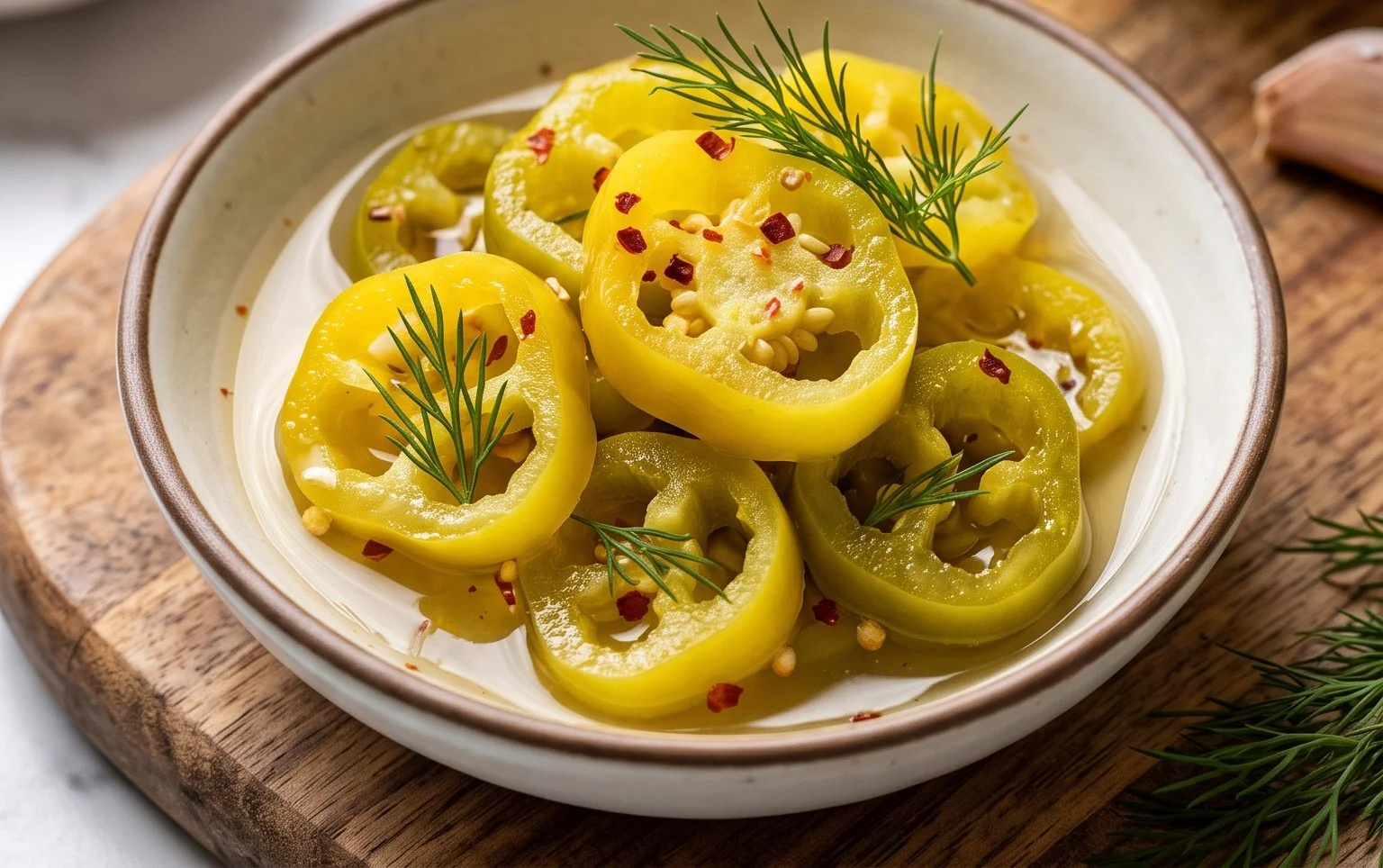
And there you have it! Creating your own delicious batch of pickled banana peppers is a rewarding experience, offering a bright, tangy, and slightly spicy condiment that elevates so many dishes. This recipe is fantastic because it’s remarkably simple, allowing the vibrant flavor of fresh banana peppers to shine through with just a few pantry staples. The balance of vinegar, sugar, and spices creates a perfect tang that cuts through richness and adds a delightful zest. I’ve found these pickled banana peppers are incredibly versatile. They are a star on sandwiches, burgers, and pizzas, offering a fantastic counterpoint to savory flavors. Don’t stop there! They also make a surprisingly tasty addition to charcuterie boards, tossed into salads, or even chopped and mixed into dips. Feel free to experiment with this recipe – perhaps add a pinch of chili flakes for extra heat, some dill for a classic pickle flavor, or even a touch of garlic. I truly encourage you to give this pickled banana pepper recipe a try. It’s an easy way to bring a burst of homemade goodness to your kitchen!
Frequently Asked Questions about Pickled Banana Peppers:
Q1: How long do pickled banana peppers last?
Properly stored in a senon-alcoholic aled jar in the refrigerator, your homemade pickled banana peppers can last for several months, typically up to 3-4 months. Ensure the peppers are fully submerged in the brine for best preservation.
Q2: Can I use different types of peppers?
Absolutely! While this recipe is tailored for banana peppers, you can adapt it for other mild to medium-heat peppers like Hungarian Wax peppers or even bell peppers if you prefer a sweeter pickle. You might need to adjust the vinegar-to-water ratio slightly depending on the pepper’s natural moisture content.
Pickled Banana Peppers
Tangy and slightly sweet pickled banana peppers, perfect for sandwiches, salads, or as a zesty condiment. This recipe uses vinegar and spices for a classic pickle flavor.
Ingredients
-
1 lb banana pepper, sliced
-
1 cup white vinegar 5%
-
1 cup water
-
2 tsp salt
-
3 tsp sugar
-
10-12 garlic cloves
-
3 tsp mustard seeds
-
2 tsp whole black pepper
-
2 tsp coriander seeds
Instructions
-
Step 1
Wash and thinly slice the banana peppers, discarding stems and seeds if desired for less heat. Peel and smash the garlic cloves. -
Step 2
In a medium saucepan, combine the white vinegar, water, salt, and sugar. Stir until the salt and sugar are dissolved. -
Step 3
Add the mustard seeds, whole black pepper, coriander seeds, and smashed garlic cloves to the vinegar mixture. -
Step 4
Bring the brine to a simmer over medium heat and cook for about 5 minutes, stirring occasionally, until the sugar and salt are fully dissolved and the spices are fragrant. -
Step 5
Sterilize two pint-sized canning jars and lids. -
Step 6
Pack the sliced banana peppers tightly into the sterilized jars. -
Step 7
Carefully pour the hot brine over the peppers, ensuring they are fully submerged. Leave about 1/2 inch of headspace at the top. -
Step 8
Wipe the jar rims clean, place the lids on, and screw on the bands finger-tight. -
Step 9
Allow the jars to cool to room temperature, then refrigerate. Peppers will be ready to eat after at least 24-48 hours, but flavor improves with longer chilling.
Important Information
Nutrition Facts (Per Serving)
It is important to consider this information as approximate and not to use it as definitive health advice.
Allergy Information
Please check ingredients for potential allergens and consult a health professional if in doubt.